Current position: Taking a breather before the next adventure!



- en
- nl
South Sudan 2026
Explore South Sudan’s hidden cultures and wild terrains — from sacred hills and cattle rituals to powerful dances and scarification rites. A raw, immersive journey through one of Africa’s most uncharted and traditional lands.
SUCCESSFULLY COMPLETED
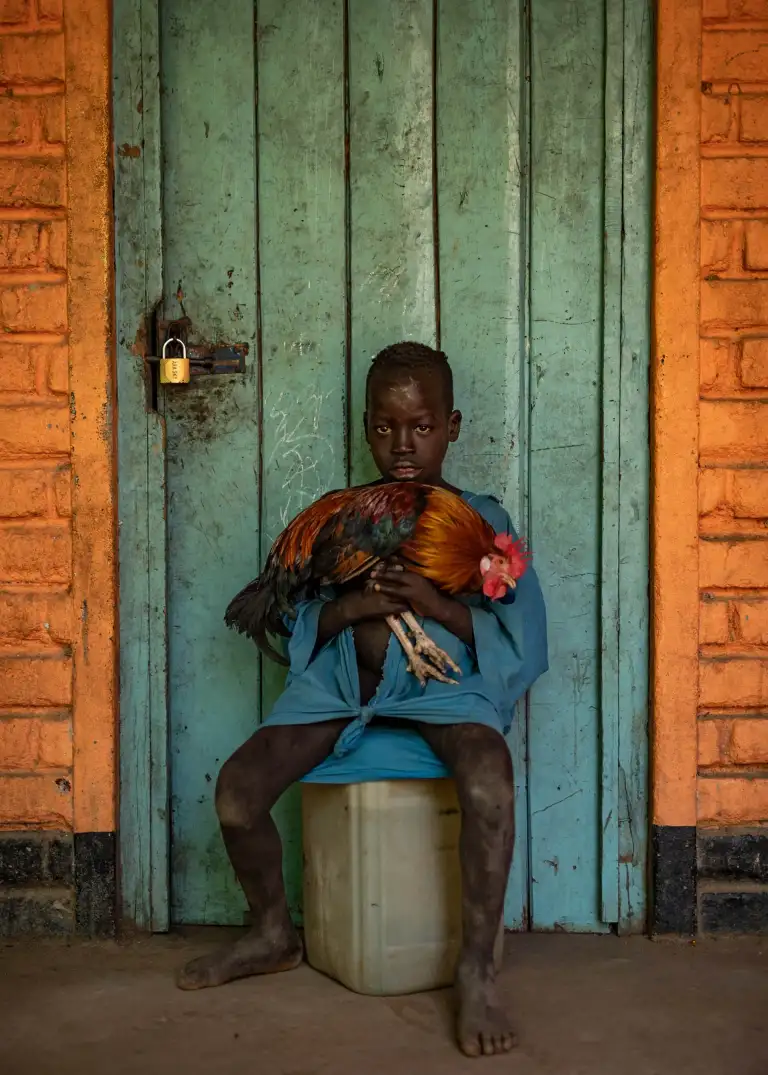
Explore South Sudan – Day by Day
You will arrive by air in Juba, the capital of South Sudan, the youngest country on earth. Obtain your visa upon arrival at the airport. The guide will meet you at the airport and transfer you to Royal Palace Hotel. Travel permits will be arranged (passport will be stamped). The rest of the day is free to relax or explore, depending on your arrival time.
Accommodation: Royal Palace Hotel
Meal plan: Breakfast
After breakfast, drive to the Lopit community. The Lopit are Eastern Nilotic people who inhabit the Lopit Hills. They practice agriculture, raise livestock on the mountain slopes, and harvest products such as honey and shea nuts. They hold initiation ceremonies: one for naming babies, and another as young adults. Marriage begins with courtship and elopement; once the couple returns home, the dowry is settled and the woman joins her new household. Power is transferred to the younger age-set every 25 years in a ceremony called Hifira, during which village administration and community authority is handed over. Their culture is transmitted through songs, poems, dramas, and music that express feelings and emotions.
Accommodation: Camping
Meal plan: Breakfast, Lunch, Dinner
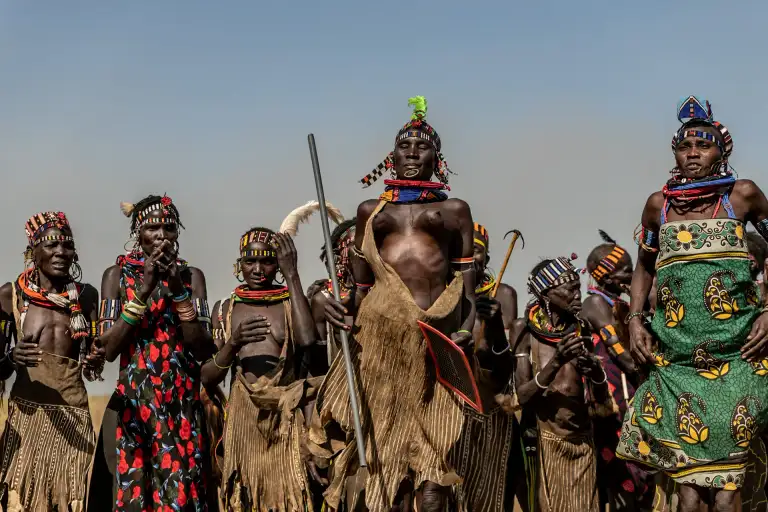
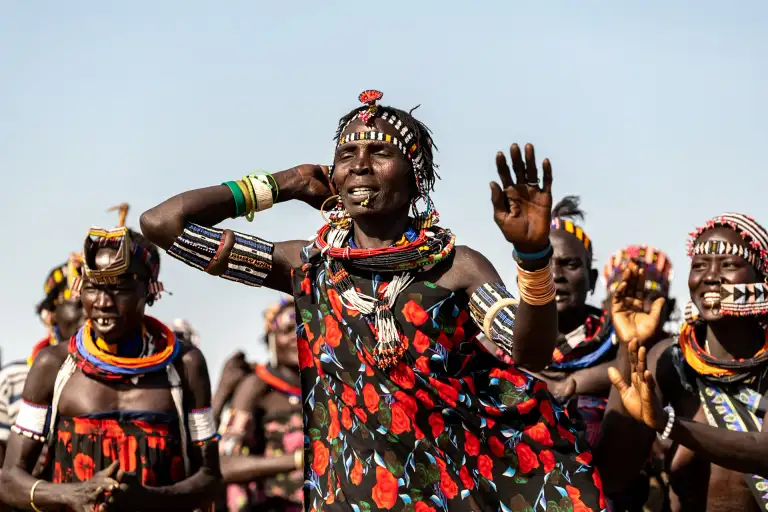
After breakfast, explore different Lopit communities and enjoy their vibrant welcome dances.
Accommodation: Camping
Meal plan: Breakfast, Lunch, Dinner
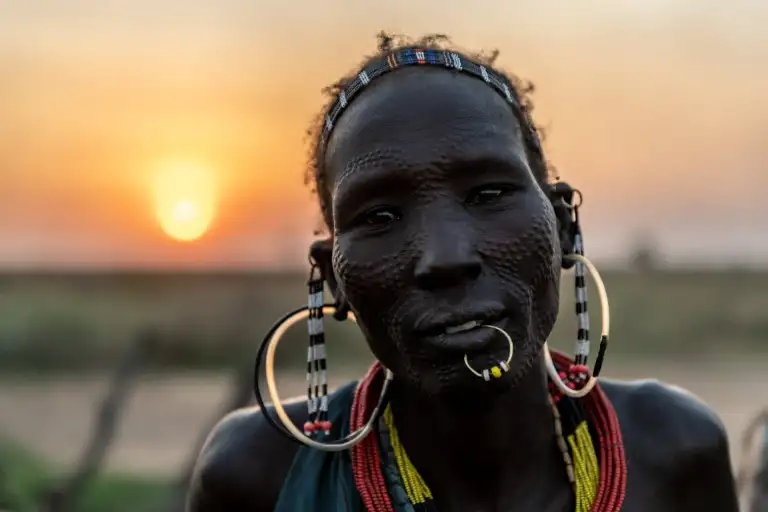
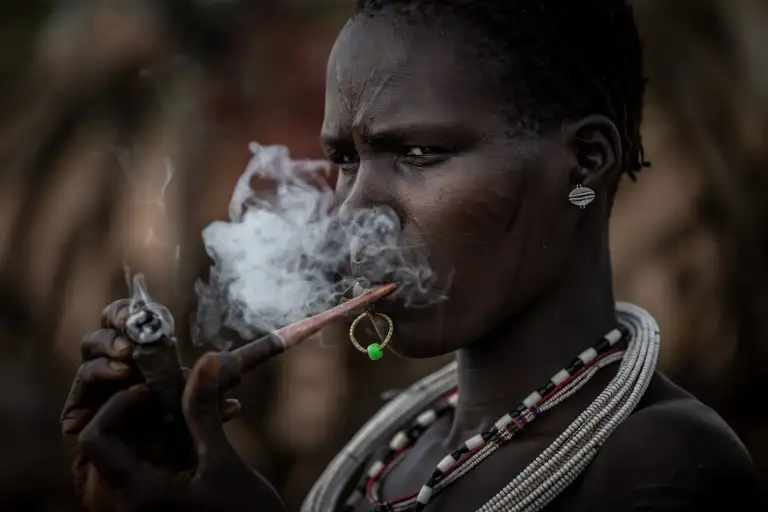
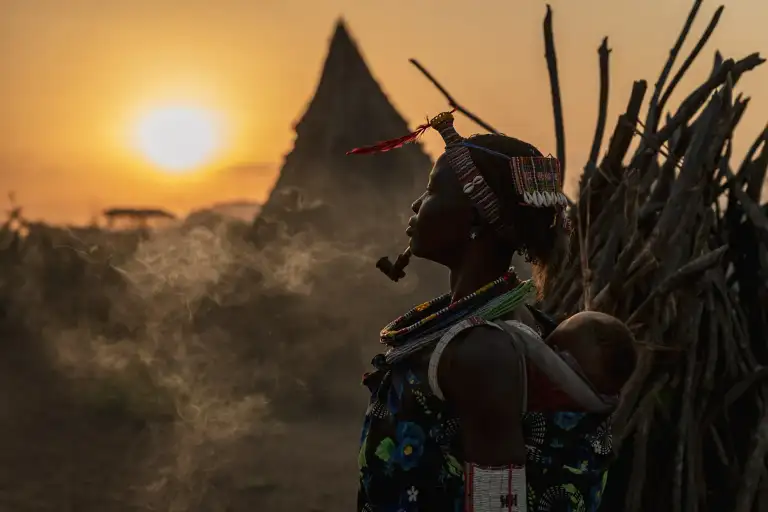
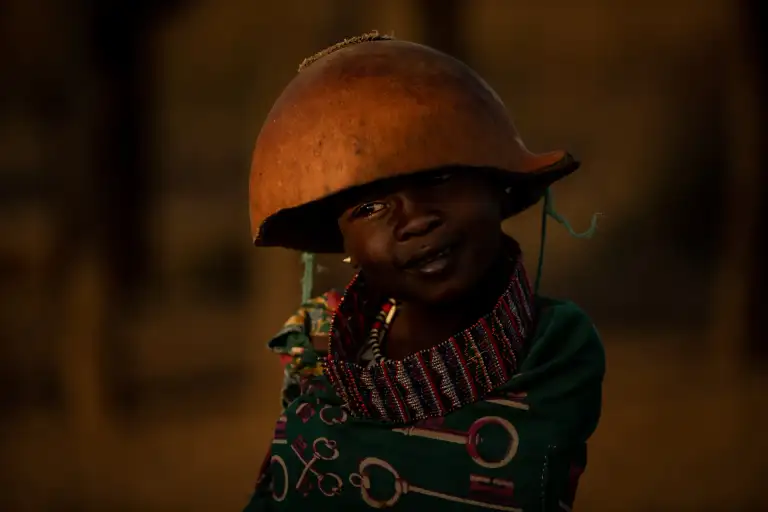
After breakfast, bid farewell to the Lopit and drive to the Boya Hills to meet the Larim (Boya), a tribal minority. The Larim speak Murle and are known for their impressive architectural skills. They pierce their noses and lips and decorate their bodies with scarification. They raise cattle and cultivate seasonal crops such as sorghum, maize, and beans. Widowed women wear vegetable fiber cords around their legs and heads. The Larim are considered one of South Sudan’s most traditional groups.
Accommodation: Camping
Meal plan: Breakfast, Lunch, Dinner
After breakfast, spend the day in various Boya communities, observing and participating in their daily activities, cultural practices, and traditions.
Accommodation: Camping
Meal plan: Breakfast, Lunch, Dinner
After breakfast, depart from Larim and drive to Kapoeta to visit the Toposa people. The Toposa are Turkana-speaking cattle herders who have resisted Western influence to this day. Traditionally, they have lived by herding cattle, sheep, and goats, and were once involved in the ivory trade.
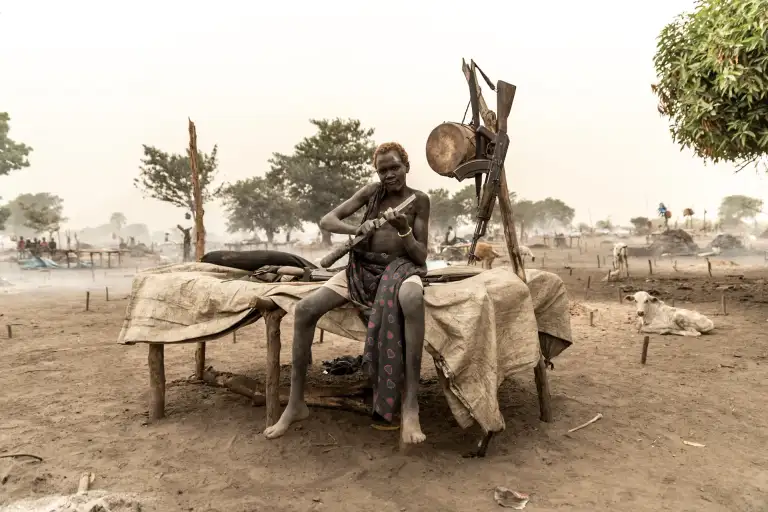
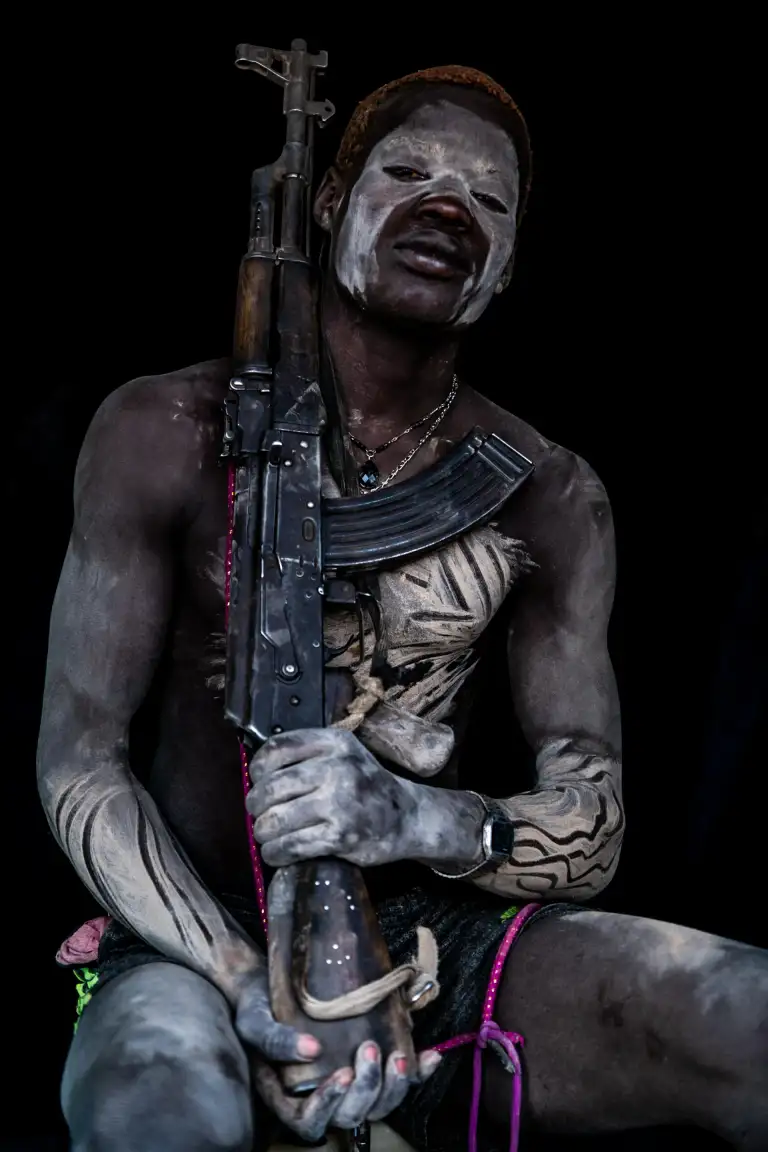
The Toposa belong to what is known as the Karamojong cluster, which includes the Karamojong of Uganda, the Nyangatom of southwestern Ethiopia, and the Turkana of Kenya. Their economy and social life revolve around livestock — including cattle, camels, donkeys, goats, and sheep. Boys start by herding goats and sheep, and later graduate to cattle as they grow older. Possession of cattle — and a loaded gun — are the main measures of wealth and status.
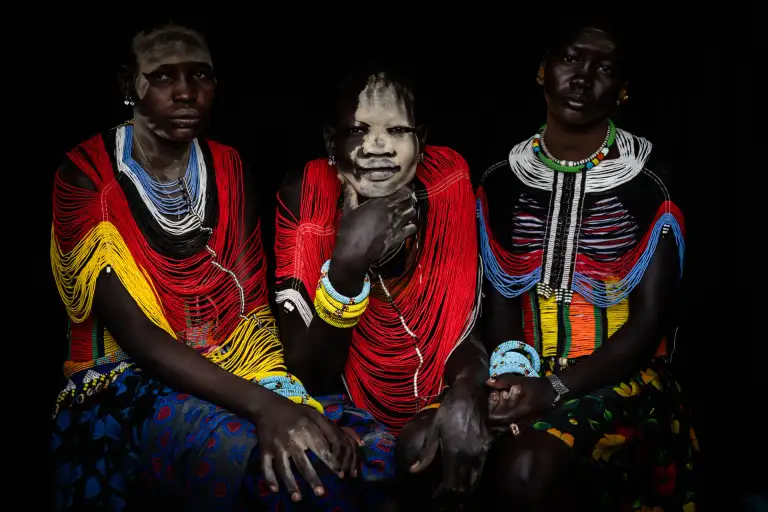
The Toposa have long competed with neighboring groups for water and grazing land, often engaging in cattle raiding. They also pan for gold and other minerals in riverbeds. Traditionally, they wear leather beaded skirts, pierce their lips, and scarify their arms, chests, and faces — each scarification is a unique work of art. Visit different communities and enjoy their intense welcome dances.
Accommodation: Camping
Meal plan: Breakfast, Lunch, Dinner
After breakfast, bid farewell to the Toposa and drive to the Jie communities. The Jie live in the arid lowlands of southeastern South Sudan, in Eastern Equatoria State. They are agri-pastoralists who grow sorghum and raise cattle, sheep, and goats. Closely related to the Toposa, they speak the same language.
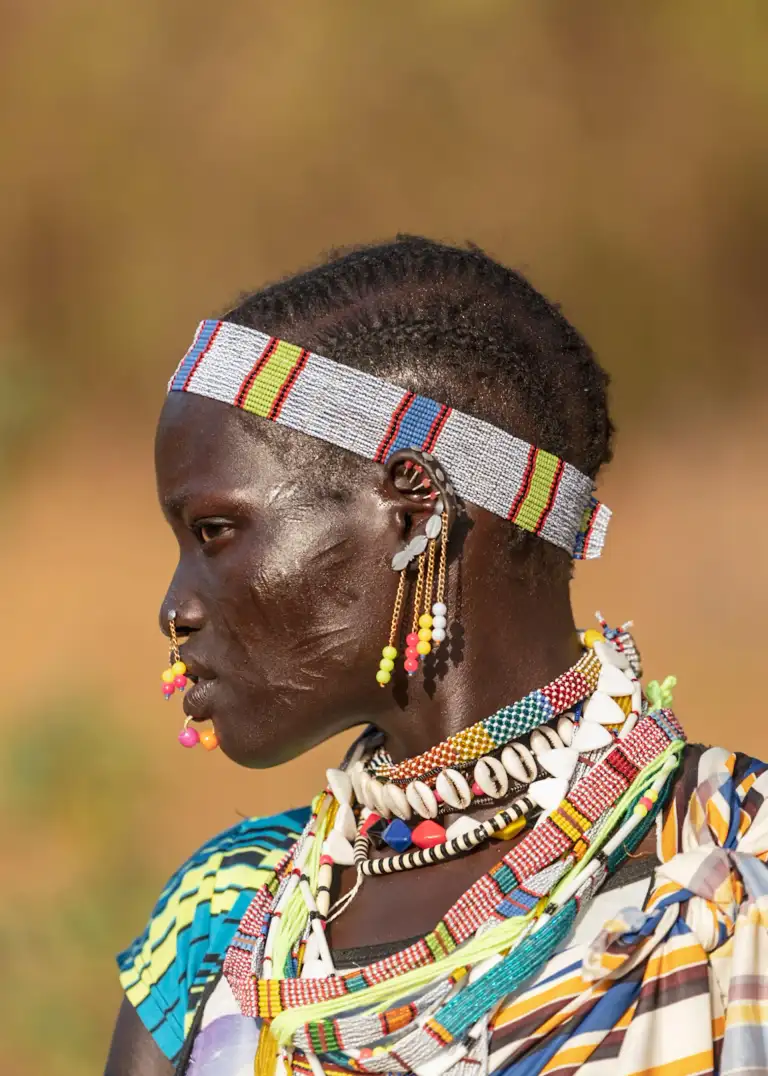
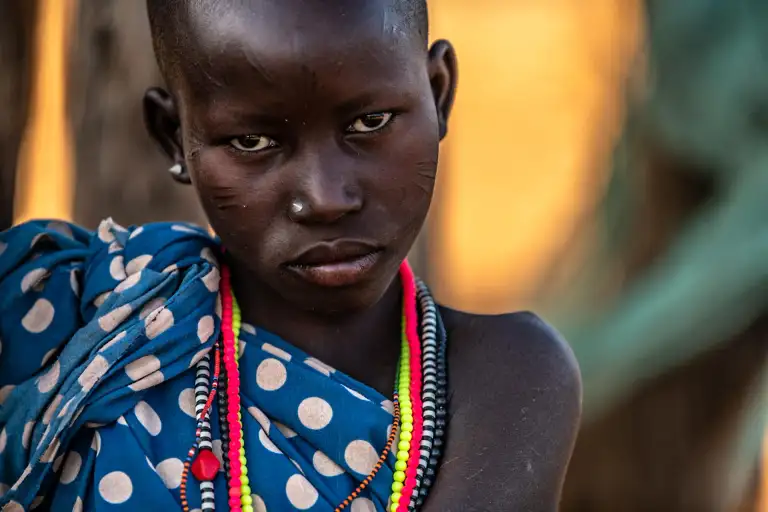
The Jie pierce and scarify their bodies as marks of beauty. Women wear colorful beaded headbands that indicate the clan of their husband. The Jie believe in a supreme being named Apayok, who resides in a crater on Mt. Kesegor. Offending Apayok means he will not grant water when visited. They believe Apayok sent a sorcerer named Natidiita to guide and protect them. Ancestor spirits also play a role in their lives, and they communicate with them through a medium.
Accommodation: Camping
Meal plan: Breakfast, Lunch, Dinner
After breakfast, spend the day with various Jie communities. Participate in photo sessions, cultural dances, and observe their daily way of life.
Accommodation: Camping
Meal plan: Breakfast, Lunch, Dinner
After breakfast, bid farewell to the Jie and drive back to Kapoeta. On the way, make a stopover in a Toposa community before reaching Kapoeta for an overnight stay.
Accommodation: Kuleu Hotel
Meal plan: Breakfast, Lunch, Dinner
After breakfast, begin the journey back to Juba for an overnight stay.
Accommodation: Royal Palace Hotel
Meal plan: Breakfast, Lunch
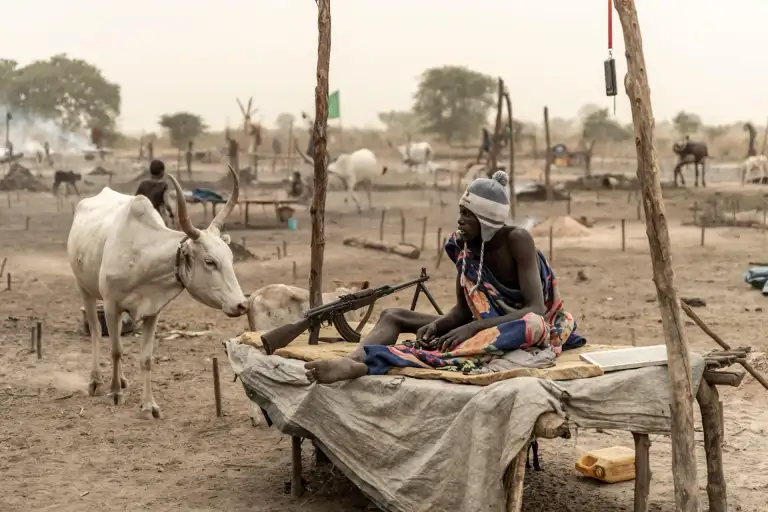
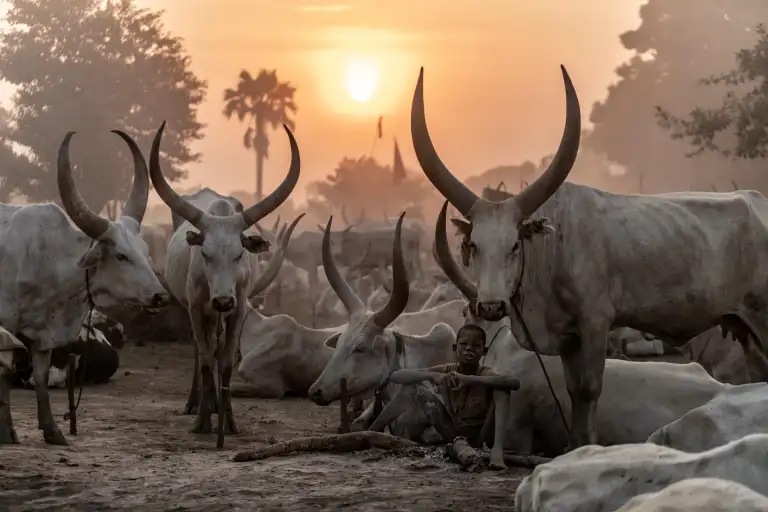
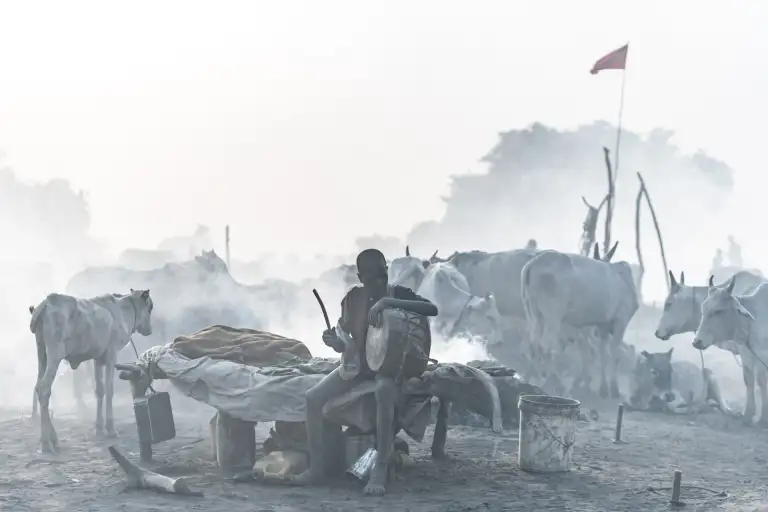
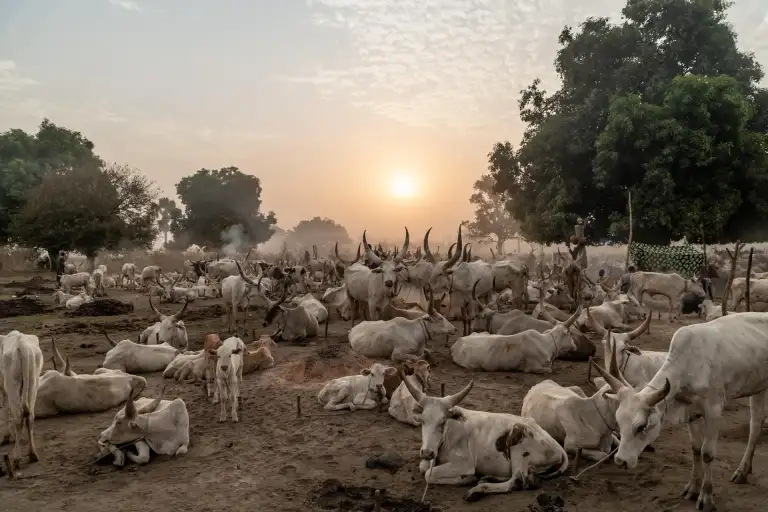
After breakfast, drive to the territory of the Mundari tribe. Upon reaching Terekeka, the regional capital, take a walk around the market to meet the first members of the Mundari community. After checking in with the local authorities, continue on to a cattle camp where you will spend the night.
The Mundari are a small ethnic group related to the Nilotic peoples. Alongside the neighboring Dinka, they are known for their exceptional height and, with the Tutsi of Rwanda, are considered among the tallest people in Africa.
Traditional Mundari lands are located approximately 75 kilometers north of Juba, in Central Equatoria State, and are centered around the town of Terekeka. Like much of South Sudan, the area is flat with occasional large isolated hills. The lowlands contain many rivers and lakes, providing fertile conditions for cattle grazing.
Accommodation: Camping
Meal plan: Breakfast, Lunch, Dinner
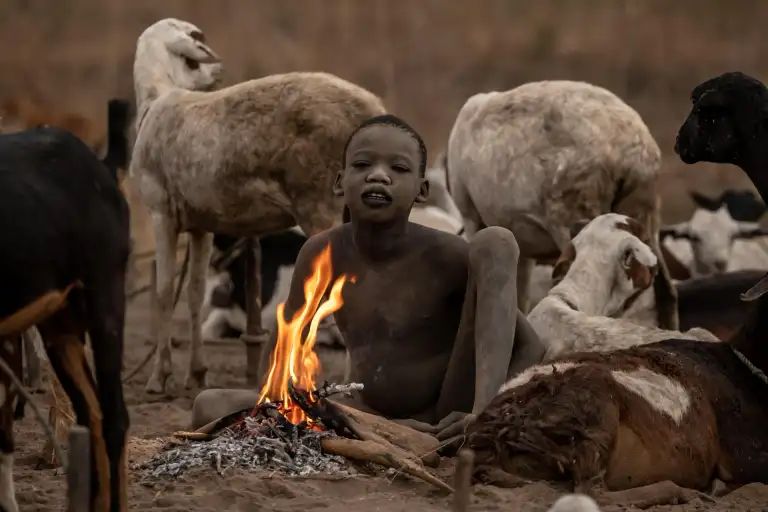
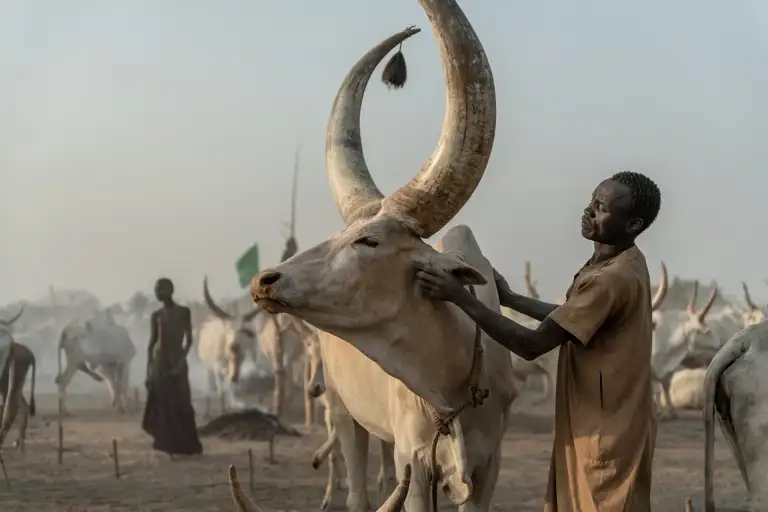
Enjoy a full-day experience with the Mundari tribe. Like other Nilotic groups, the Mundari are deeply cattle-oriented: cattle are a source of food, a form of currency, and a symbol of social status. Marriages are arranged with the groom offering cattle to the bride’s family, and men may take as many wives as they can support.
The Mundari have preserved their animistic religion, unlike the neighboring Dinka, many of whom have abandoned traditional beliefs due to war and conversion to Christianity.
In common with other Nilotic tribes, the Mundari practice ritual scarification as a rite of passage into adulthood for young men. The typical Mundari scar pattern consists of two sets of three parallel lines on each side of the forehead, sloping downward and not connected in the middle.
Accommodation: Camping
Meal plan: Breakfast, Lunch, Dinner
After breakfast, bid farewell to the Mundari and drive back to Juba. Depending on your flight schedule, proceed to Juba International Airport. Passengers are advised to arrive at the airport at least three hours prior to departure for check-in.
This marks the end of your unforgettable cultural expedition through South Sudan.
What's Included:
- Hotel accommodation based on twin or double occupancy
- Camping accommodation based on single occupancy (or double for couples)
- Meals as specified in the itinerary
- Drinking water provided throughout the entire route
- All airport transfers (arrival and departure)
- All transportation by 4WD SUVs and/or safari Land Cruisers in good condition, equipped with air conditioning, experienced drivers, and fuel (maximum 3 passengers per vehicle, each with window access)
- Camping equipment (including tents, mattresses, one bedsheet, and a pillow)
- Experienced English-speaking guide
- All necessary permits and police documentation (including 72-hour alien registration), entry permits, checkpoint fees, and security guard if required
- Tribal visits and excursions, including all payments to the tribes
What's Not Included
- Visa fees (USD 190 for American and Canadian citizens, USD 120 for other nationalities)
- Meals in Juba
- Beverages not specified in the itinerary
- COVID-19 testing, if applicable
- Items of a personal nature (e.g. fax, telephone, etc.)
- Gratuities for guide, driver, and hotel staff
- Any extras or additional activities not mentioned in the itinerary
- Travel and medical insurance
- Trip cancellation, travel delay, or baggage insurance
- Costs incurred due to delays beyond our control
- All statutory increases beyond our control