Current position: Taking a breather before the next adventure!



- en
- nl

North Pakistan 2026
Discover North Pakistan's majestic mountain ranges, vibrant bazaars, and centuries-old heritage. Immerse yourself in its diverse culture, breathtaking landscapes, and warm hospitality on this unforgettable journey.
7 - 26 Oct 2026
Guided tour by Laura
€ 2,995

Day-by-Day Adventure Itinerary
Welcome to Pakistan! Upon arrival at Islamabad International Airport, guests will be transferred to the hotel for some rest.
In the afternoon, enjoy a city sightseeing tour of Rawalpindi and Islamabad, offering a striking contrast in culture, history, and urban planning. Rawalpindi is a historic city known for its narrow lanes and bustling bazaars, while Islamabad is the modern, planned capital of Pakistan. Highlights of the tour include Raja Bazaar, Murree Road, the Pakistan Monument, and the iconic Shah Faisal Mosque.
Accommodation: Hotel in Islamabad
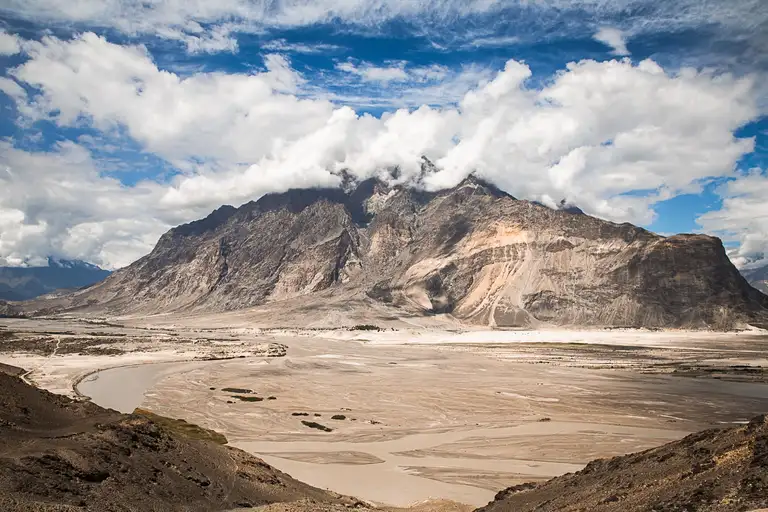
Your adventure begins with a morning flight from Islamabad to Skardu, weather permitting. Enjoy breathtaking aerial views of the Karakoram Range and Nanga Parbat during the flight. If the flight is cancelled due to weather, you will travel by road along the scenic Karakoram Highway to Chilas instead.
Upon arrival in Skardu, explore the city’s key attractions. Visit the historic Kharphocho Fort for insights into the region’s rich heritage and take in the lively atmosphere of the local bazaar. End your day with a relaxing dinner at a local restaurant, soaking in the tranquil mountain surroundings.
Accommodation: Hotel in Skardu
Today, embark on a scenic drive from Skardu to the Daghoni Valley (also known as Khaplu), covering approximately 80 km in about three hours. As you travel through the dramatic terrain of Baltistan, enjoy breathtaking views of stark mountains and lush valleys.
Upon arrival, immerse yourself in the local Balti culture by meeting village elders who share stories and traditions passed down through generations. Savor a meal of authentic Balti cuisine, prepared using fresh, local ingredients.
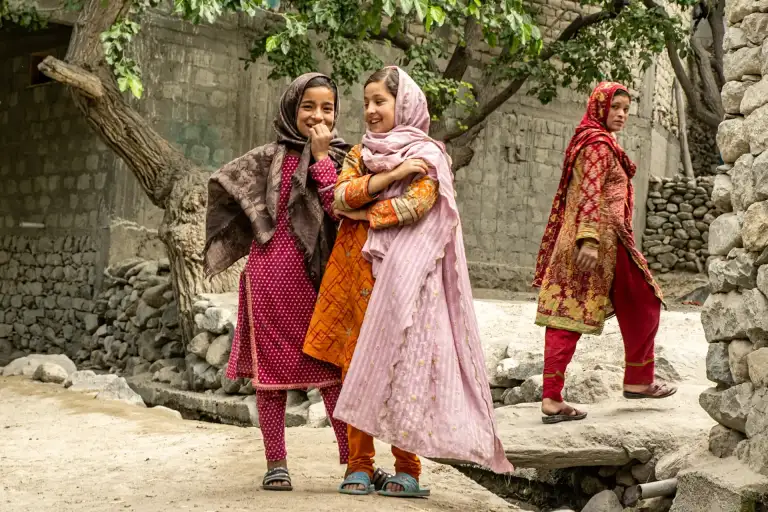
Later, visit a community school where you can interact with curious and lively Balti children, and capture meaningful moments of their daily life. The experience continues with a traditional village festival, featuring cultural events such as cockfights and ram (male sheep) fights — both integral to local customs. This immersive day offers a unique perspective on mountain village life and excellent opportunities for evocative photography.
Accommodation: Guesthouse or Camp in Daghoni
Your exploration of the Khaplu Valley continues with a short scenic drive of about 30 minutes. Begin the day with a visit to the beautiful Barah Valley, where peaceful surroundings and dramatic landscapes welcome you.
Stroll through the old mohallahs (neighborhoods) of Khaplu to admire the traditional Balti architecture and soak in the valley’s historic charm. Visit the intricately designed Chaqchan Mosque and the historic Khaplu Khanqa, both highlighting the region’s deep Islamic architectural roots.
Continue your cultural immersion by visiting a local orphan school and religious madrasah, where you'll learn about the educational environment and meet students. In the afternoon, take a short acclimatization trek to Thoksi Khar or Khaplu Brok, offering sweeping panoramic views and a serene high-altitude atmosphere.
This day blends history, architecture, education, and natural beauty into an enriching and unforgettable experience.
Accommodation: Guesthouse in Khaplu
Today begins with a scenic three-hour drive from Khaplu to Hushay, followed by an immersive day of exploration on foot. Your journey leads you through a series of picturesque villages, offering a firsthand glimpse into traditional Balti life.
Start in the peaceful Machulu Valley, where you’ll walk through charming villages and observe daily life in this remote region. Continue to the Talis Valley, known for its breathtaking landscapes and friendly local communities. Then head to Kanday, where the simplicity of village life, traditional homes, and the calm mountain atmosphere create a memorable experience.
This walk through valleys and villages offers deep cultural insight and spectacular scenery throughout the day. By evening, you’ll arrive in Hushay, with a deeper appreciation for the lifestyle and traditions of Baltistan.
Accommodation: Guesthouse in Hushay
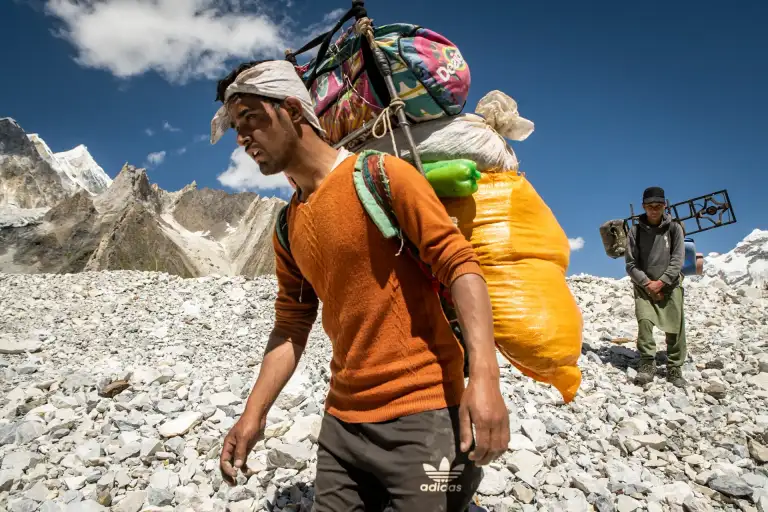
Today, you begin your trek towards Masherbrum Base Camp in the Ghanche District of Gilgit-Baltistan. Masherbrum, formerly known as K1, stands at 7,821 meters (25,659 feet), making it the 22nd highest mountain in the world and the 9th highest in Pakistan. It was the first peak to be mapped in the Karakoram range, earning it its historic designation.
The journey starts with a scenic 6.9 km hike from Hushe village, taking approximately 3.5 hours. You’ll cross a footbridge to the west bank of the river, then walk through barley, pea, and potato fields. The trail leads through marshes and scrubland filled with wild roses, willows, juniper, and thorn bushes, eventually reaching Parbisan, your first campsite on the edge of a tamarisk forest.
Beyond Parbisan, you cross another bridge over the Aling River and continue to Dumsum, a serene rest spot shaded by willows beside a stream. From here, three valleys converge: Aling (west), Gondoghoro (east), and Masherbrum (north).
The final 4.1 km stretch (3–4 hours) takes you through a dense tamarisk jungle, followed by a rugged glacial moraine at the snout of Masherbrum Glacier. In August, the path is adorned with wildflowers like purple vetch, Columbine, and Edelweiss.
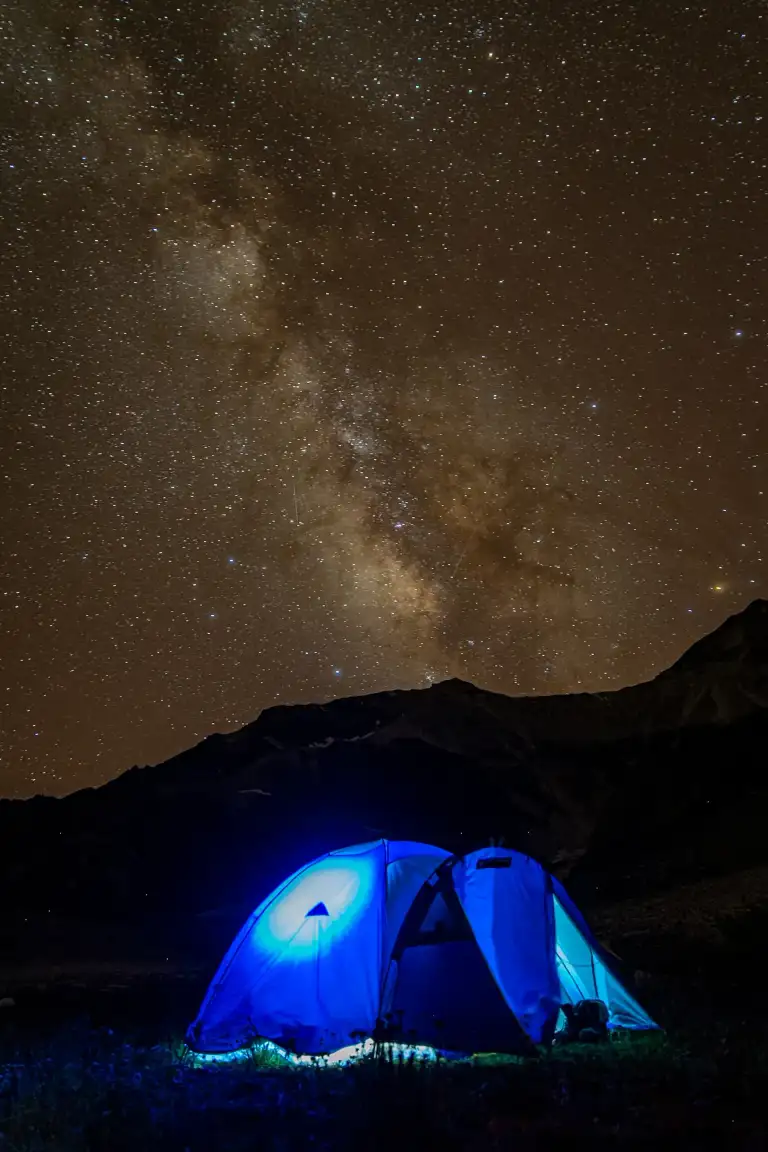
You’ll camp at Brumbrammah, a wide, flat, sandy area below towering mountain walls, surrounded by willow bushes and wild flora. In July, the site becomes a seasonal lake, typically drying by mid-August. Brumbrammah offers incredible views and proximity to Bruni Brama and iconic peaks such as the Cathedral, Mitre, Sceptre, and Crown — a perfect base for continuing toward Masherbrum Base Camp.
Accommodation: Camping at Brumbrammah
Today’s trek takes approximately 3 to 4 hours as you make your way toward the breathtaking Masherbrum Base Camp.
Two main paths lead north: one along the base of the mountain through the ablation valley, and the other along the crest of the moraine. Both routes pass by Choosing (meaning 'big grassy place'), about 30 minutes away — a peaceful and scenic location with green hillsides and animal trails, often chosen as a rest or optional campsite.
From Choosing, the trail climbs up the lateral moraine, briefly follows its top, then descends to the edge of the glacier. Here, the route becomes less visible among boulders, and your guide will lead the way for about an hour toward the base camp.
Masherbrum Base Camp, situated at around 4,280 meters, is a small grassy patch nestled below towering cliffs. From this vantage point, you'll gaze across the glacier at Masherbrum’s dramatic landscape: fluted ice gullies, steep rock ridges, and immense ice walls. The valley ends here — a massive glacial bowl enclosed by sheer rock faces and inaccessible 7,000-meter peaks, marking the natural boundary before Baltoro Glacier.
In the evening, enjoy a traditional porters’ feast and singing, celebrating the spirit of the mountains.
Accommodation: Camping at Masherbrum Base Camp
Today, you’ll begin your return journey from Masherbrum Base Camp to Wasuq or Dusmum, covering approximately 10.6 kilometers in around 7 hours.
The route retraces parts of the path you took during your ascent, offering a renewed perspective on the breathtaking landscape. As you descend through the glacial moraine and dense tamarisk jungle, take the time to fully absorb the majestic surroundings of Masherbrum Glacier and the dramatic peaks that tower around you.
Upon reaching Wasuq/Dusmum, you’ll settle into a peaceful and familiar resting spot shaded by willow trees and located beside a quiet stream. This serene campsite, once passed on the way up, now offers comfort and reflection at the end of an adventurous descent.
Accommodation: Camping at Wasuq/Dusmum
Today’s journey takes you from Wasuq/Dumsum to the panoramic viewpoint of Saicho, known for its breathtaking view of K7 — one of the iconic peaks in the Karakoram range. The round-trip covers approximately 8 km and takes around 8 hours in total.
As you approach Saicho, the trail reveals expansive views of the rugged mountain landscape and the towering silhouette of K7. Take time to pause and absorb the beauty of this natural amphitheater before retracing your steps.
The return trek to Hushay allows you to appreciate the familiar path from a different angle, offering fresh perspectives on the scenery. The route involves varied terrain and a moderate level of difficulty, adding a sense of adventure to your final trekking day.
Accommodation: Camping at Hushay
After completing your final trek, you'll begin the journey back by driving from Hushe to Khaplu, a scenic route that takes approximately 3 hours.
On the way, stop for lunch in Machulu, where you can relax, enjoy a freshly prepared meal, and take in the views of the surrounding valley.
The rest of the day is yours to unwind and reflect on your trekking experience. Take a leisurely walk through Khaplu, revisit favorite spots, or simply enjoy the calm atmosphere after an adventurous expedition in the mountains.
Accommodation: Hotel in Khaplu
Today, you’ll travel from Khaplu to Skardu via the picturesque Shyok River Valley, passing through a number of historic and scenic villages.
The Shyok River (meaning "River of Death") is a tributary of the Indus River, flowing from Ladakh into Gilgit–Baltistan and spanning approximately 550 km. Along its northern banks lie many small and culturally rich villages such as Saling, Kharkoo, and Daghoni — each with unique ties to the ancient Kingdom of Khaplu and the region’s heritage.
During the drive, you’ll stop in Daghoni Village to visit a local community school, meet the students, and speak with the elderly schoolmaster. This meaningful cultural interaction offers insight into rural education and local life. Afterwards, enjoy a traditional village-style lunch prepared by locals in a family home.
In the late afternoon, continue the drive to Skardu through vast, flat grasslands and the beautiful, fertile stretches along the river — an area known for its green polo fields and serene landscapes.
Accommodation: Hotel in Skardu
Begin the day with an early morning drive from Skardu along the legendary Karakoram Highway (KKH), often referred to as the “Eighth Wonder of the World” for its remarkable engineering and awe-inspiring scenery. As we journey through the heart of the Karakoram, marvel at dramatic gorges, rugged landscapes, and towering peaks.
One of the highlights along the route is the unique junction where the Himalayas, Karakoram, and Hindu Kush mountain ranges converge — a truly rare geological phenomenon.
By the afternoon, we’ll arrive in the breathtaking Hunza Valley and head to Karimabad, the cultural heart of the region. Explore the historic Baltit Fort, perched majestically on a hilltop with sweeping views of the valley, offering insights into Hunza’s storied past.
The day concludes with a peaceful stroll through the charming streets of Karimabad and a traditional Hunza-style dinner in the serene mountain setting.
Accommodation: Hotel in Karimabad (Hunza)
Today is dedicated to exploring the breathtaking Hunza Valley, rich in natural beauty and cultural heritage.
We’ll begin with a visit to the beautifully restored Altit Fort, one of the oldest in the region. Perched above the valley, it offers sweeping views and a fascinating glimpse into the history of the Hunza royal family.
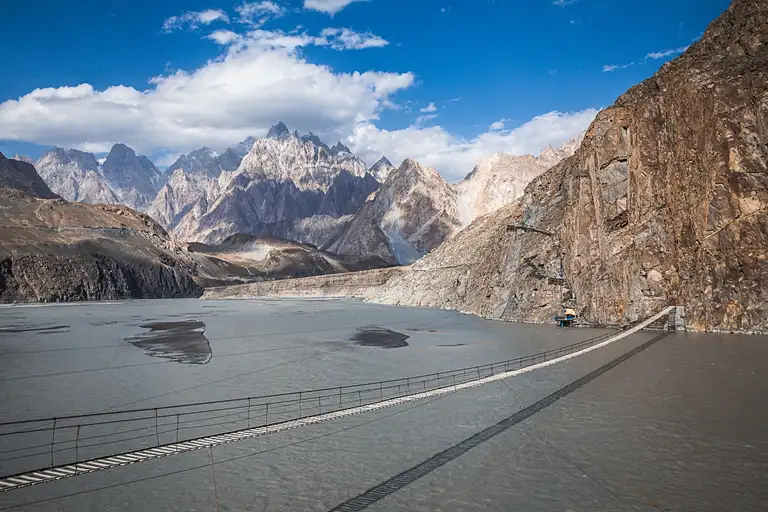
Next, we’ll head to the famous Hussaini Suspension Bridge, often considered one of the most adventurous footbridges in the world — a thrilling experience amid dramatic scenery.
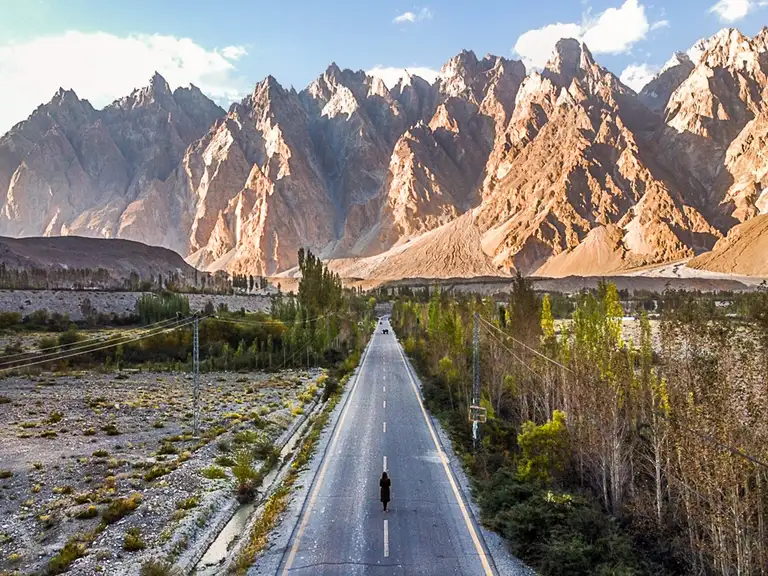
We’ll then continue to the striking Passu Cones, set against a backdrop of towering glaciers and rugged peaks, forming one of the most iconic landscapes in the Karakoram.
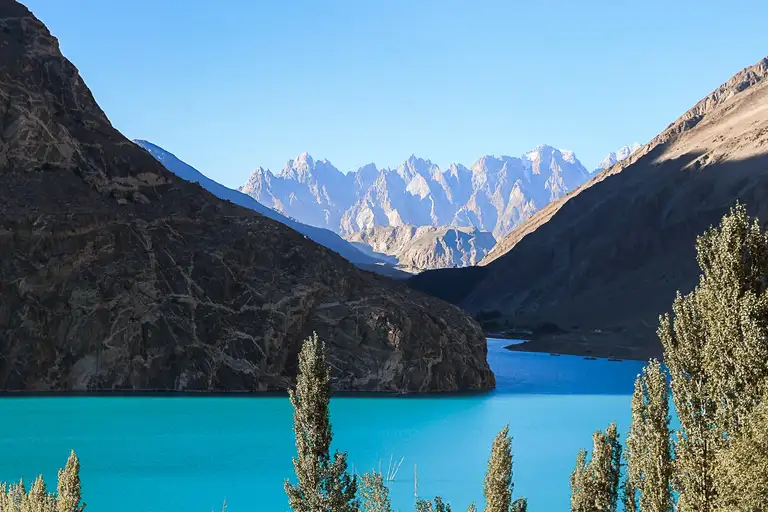
Along the way, we’ll stop at the stunning Attabad Lake, formed by a massive landslide in 2010. Its vibrant turquoise waters are now a highlight of the valley.
To round out the day, enjoy a freshly grilled yak burger in Passu, served with local flavors and accompanied by unforgettable views of the surrounding mountains.
Accommodation: Hotel in Karimabad (Hunza)
Today you’ll drive from Hunza to the scenic Ghizer Valley via the majestic Karakoram Highway, covering a distance of approximately 229 km in about 5 hours.
Along the way, you'll explore some of the hidden gems of northern Pakistan. One of the highlights is Khalti Lake, known for its crystal-clear, turquoise waters and serene surroundings — a perfect spot for a peaceful break and stunning photos.
The journey continues toward the breathtaking Phander Valley, renowned for its lush green meadows, winding rivers, and calm atmosphere. It's an ideal place to unwind and take in the unspoiled beauty of the Gilgit–Ghizer region.
Accommodation: Guesthouse or Hotel in Phander/Ghizer
Today’s journey is one of the most scenic and adventurous of the expedition, taking you from Ghizer to Chitral Valley via the legendary Shandur Pass (3,720 m). This long but rewarding drive — approximately 10 to 12 hours — follows a rugged trail through breathtaking mountain landscapes.
The route follows the Ghizer River upstream and climbs over the Shandur Plateau, home to the world’s highest polo ground at 3,738 meters above sea level. Each summer, this remote plateau hosts the renowned Shandur Polo Festival, drawing crowds with its freestyle matches and high-altitude charm.
This off-road adventure requires 4x4 jeeps to navigate unpaved mountain roads, steep cliffs, and remote terrain — far beyond the reach of regular vehicles. Along the way, you'll witness unforgettable views, pristine valleys, and peaceful villages scattered along the mountainsides.
Upon arrival in Chitral, a historic town nestled in the mountains along the Kunar (Chitral) River, you’ll be able to explore its unique culture and natural beauty. Chitral is known for its fort, polo ground, traditional wool production, and lush fruit orchards.
This leg of the journey brings you closer to your final destination — the legendary Kalash Valley.
Accommodation: Hotel in Chitral
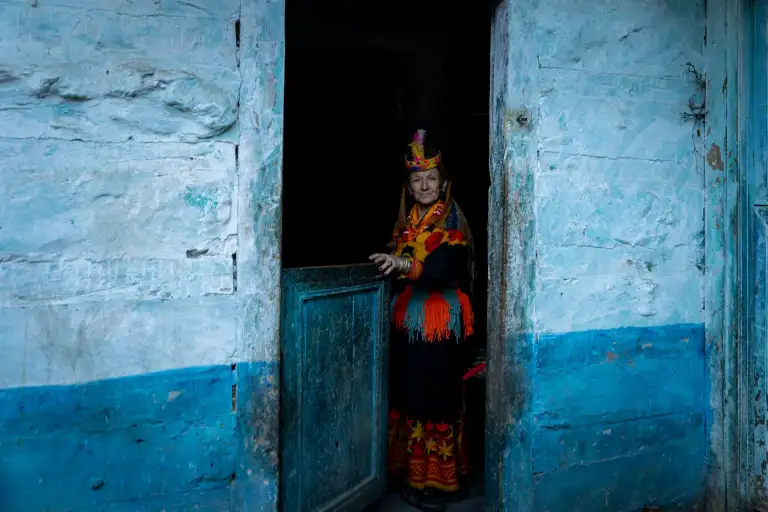
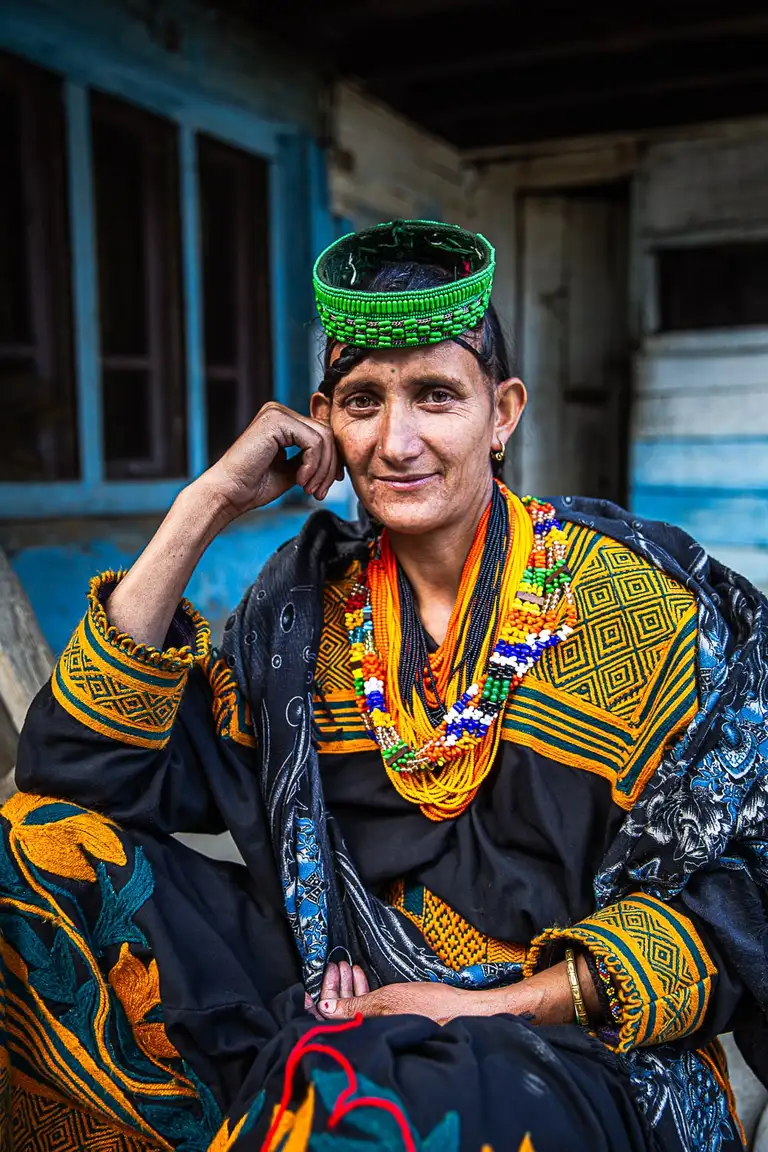
Over the next two days, immerse yourself in the vibrant culture of the Kalash Valley, one of Pakistan’s most unique and culturally rich destinations. Located just a 3-hour drive from Chitral, this remote valley is home to the Kalash people — a distinctive ethnic and religious minority with deep historical roots.
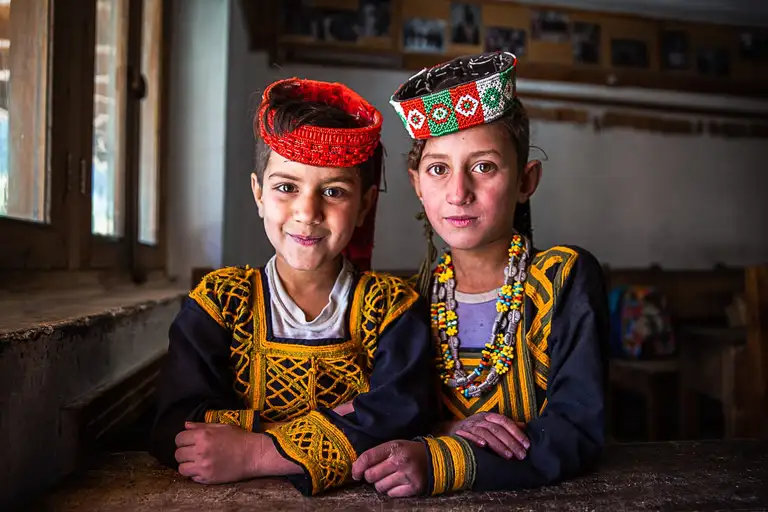
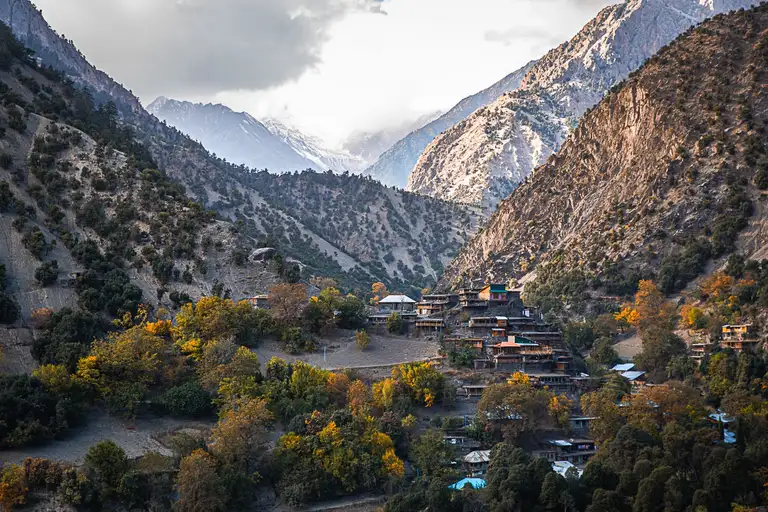
The Kalash are believed to be descendants of an ancient Greek civilization, and their customs, language, and religion differ significantly from the predominantly Muslim population of Pakistan. The valley is dotted with traditional hillside villages, where homes are built from rough-hewn logs and nestled along rivers and streams.
During your stay, you’ll explore these villages, interact with the warm and cheerful Kalash people, and witness a culture that celebrates life with vibrant clothing, music, and festivals such as Uchal, Phoo, and Chomos. This rare cultural encounter offers unforgettable photo opportunities and a glimpse into one of the world’s most isolated and fascinating communities.
Take your time to absorb the atmosphere, walk through the villages, and appreciate a lifestyle preserved for centuries — truly a cultural world apart.
Accommodation: Guesthouse or Hotel in Kalash Valley
Today marks the final long leg of your overland journey as you travel from Kalash Valley to the historic city of Peshawar. The drive spans approximately 460 kilometers and takes around 10 to 12 hours by 4x4 jeep.
The route takes you through the scenic and culturally rich Dir Valley and other picturesque regions of Khyber Pakhtunkhwa province. Along the way, enjoy panoramic views of rugged mountain terrain, forested slopes, and traditional roadside villages.
Though the journey is long, the constantly changing landscapes and glimpses into rural life make it a memorable and rewarding travel experience.
Accommodation: Hotel in Peshawar
Peshawar, the capital of Khyber Pakhtunkhwa, is our final destination before returning home. As one of the oldest cities in Pakistan, with a recorded history dating back to 539 BC, Peshawar is a cultural and historical gem.
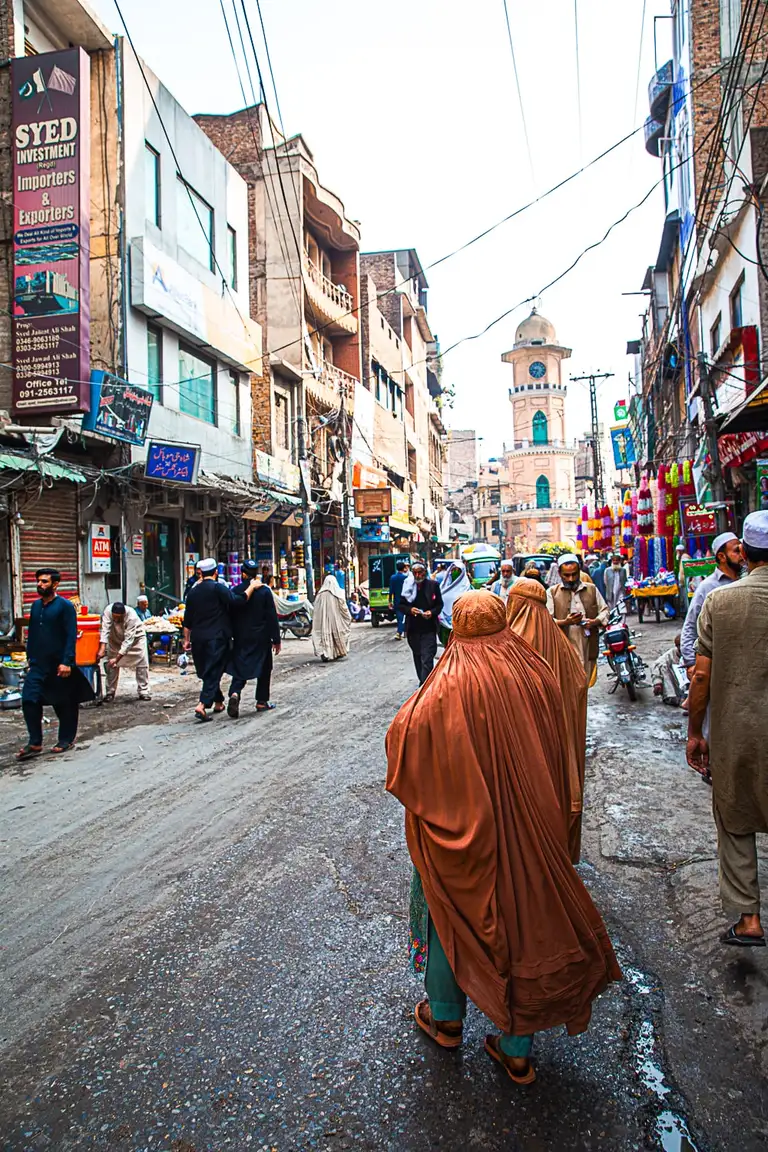
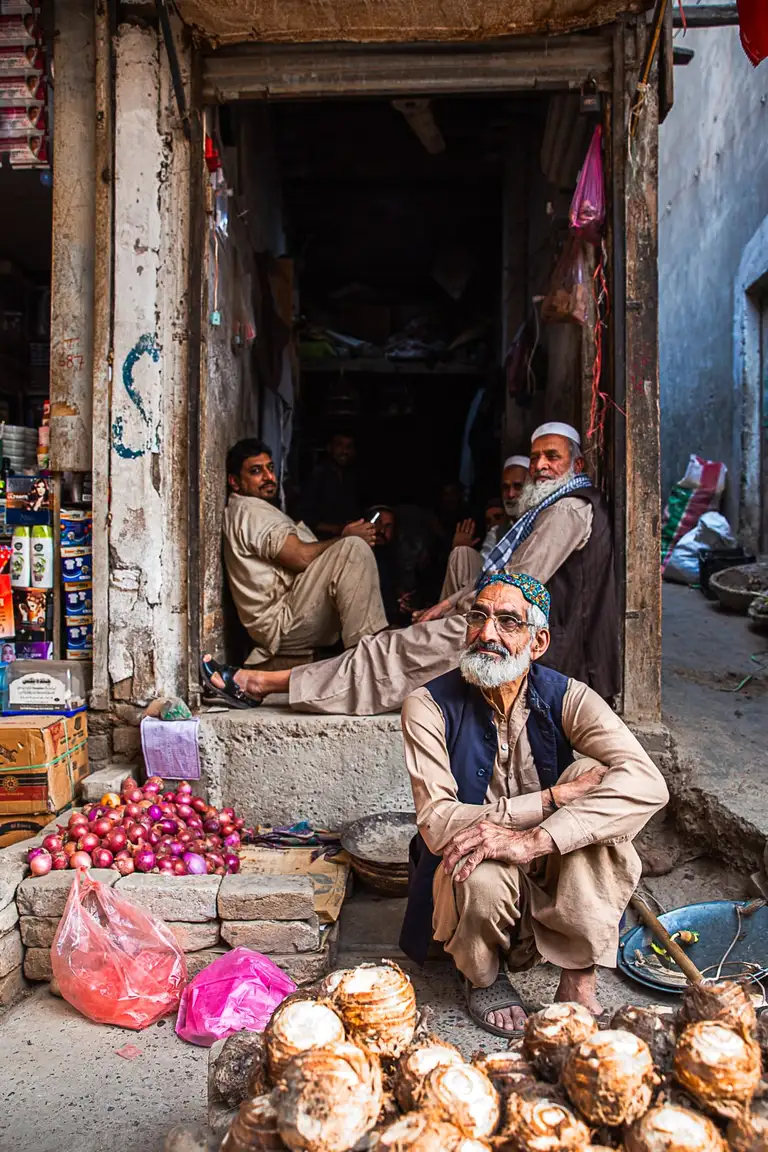
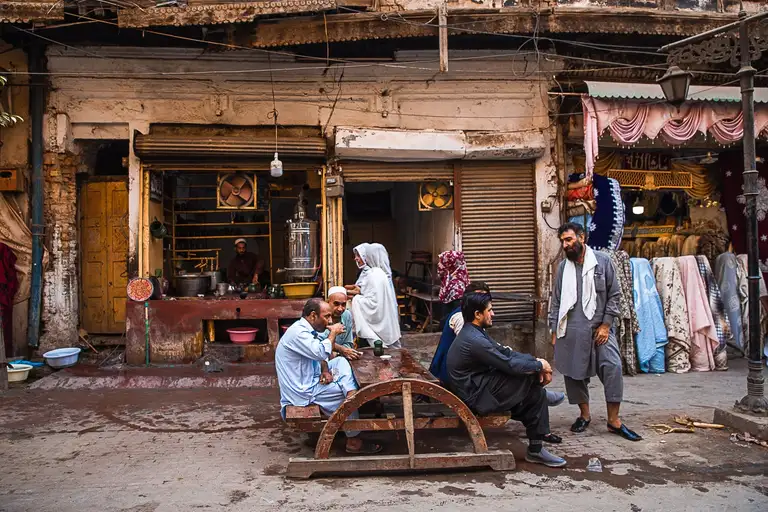
This vibrant city is predominantly populated by Pashtuns and serves as a major cultural and economic hub of the region. Our exploration includes visits to iconic landmarks such as the Mahabat Khan Mosque, traditional truck decoration workshops, and the famous Qissa Khawani Bazaar (Street of Storytellers).
Wandering through the bazaar and surrounding alleys, you’ll discover handcrafted brassware, antique jewelry, carpets, kilims, and tribal artifacts — all rich in tradition and offered at unbeatable prices. We’ll also explore the elegant Old Sethi Houses, showcasing stunning traditional architecture.
This immersive experience will give you a deeper appreciation of Pathan culture, hospitality, and way of life.
In the evening, we drive back to Islamabad via the motorway — a smooth 4-hour journey.
Accommodation: Hotel in Islamabad
After breakfast, you’ll be transferred to Islamabad International Airport for your return flight home. As your journey through Pakistan concludes, take with you unforgettable memories of majestic mountains, vibrant cultures, and warm hospitality.
We wish you a safe flight and hope to welcome you again on another adventure.
What's Included:
- Three meals daily (full board)
- All types of domestic travel
- Government permit fees
- Guide charges
- Entry fees for tourist attractions
- Airport transfers
- Hotel accommodations
- Trekking expenses
What's Not Included
- International flights
- Visa
- Drinks
- Tips
- Travel and cancellation insurance
Flight Schedule and Itinerary
 Flight Dates:
 Departure: October 6th, 2026
Return: October 27th, 2026
(!Please note: These are the dates for your international flights. Please ensure your flights are booked accordingly.)
- Tour Itinerary Dates:
Guided Tour Dates: 7 - 26 Oct 2026
(These are the dates for the actual guided tour in North Pakistan.)